
The U.S. economy is currently navigating a complex landscape marked by mixed indicators and varied public sentiment. Recent data reveals a nuanced picture of economic performance and challenges.
Economic Growth and Inflation
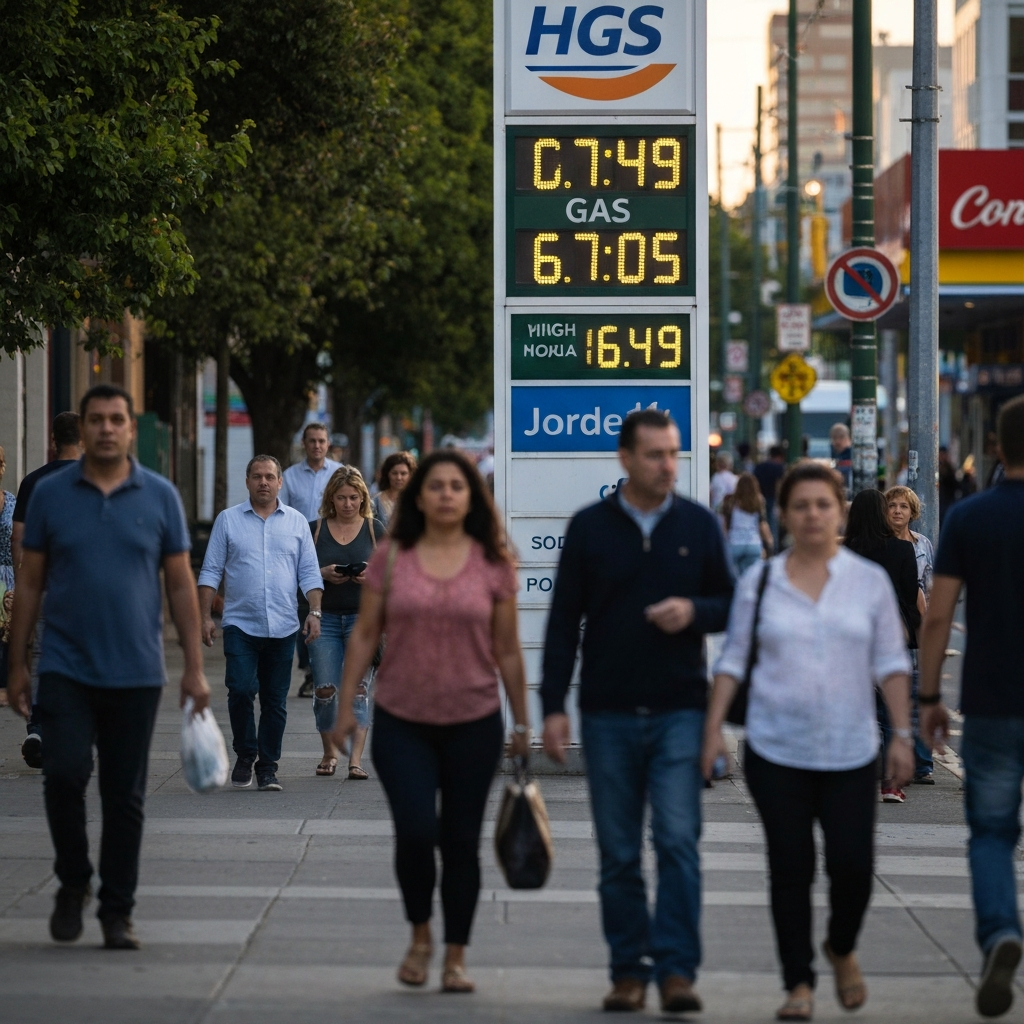
In the first quarter of 2026, the U.S. economy experienced a 2% annual growth rate, indicating a modest rebound. This growth was significantly influenced by advancements in artificial intelligence sectors. However, the ongoing conflict in Iran has contributed to rising inflation, casting a shadow over these gains. Notably, oil prices have surged, with Brent crude surpassing $126 a barrel, leading to increased gasoline prices nationwide. [Source: CBS News]
Public Perception and Consumer Confidence
Public sentiment reflects growing concerns about the economy. A recent Gallup poll indicates that 47% of Americans rate current economic conditions as ‘poor,’ a 7-point increase from the previous month. Additionally, 73% believe the economy is deteriorating. [Source: ABC News]
Political Implications
These economic challenges have political ramifications. President Donald Trump’s approval ratings have been affected, with 56% of voters indicating that his policies are harming the economy, compared to 28% who believe they are beneficial. [Source: ABC News]
Looking Ahead
As the nation grapples with these economic dynamics, policymakers face the task of balancing growth initiatives with measures to control inflation and address public concerns. The coming months will be crucial in determining the trajectory of the U.S. economy and its impact on the political landscape.